Cannabis & Cancer things
The Frontiers of Healing: Cannabis as a Targeted Ally in the Fight Against Cancer
Important Note: This is not medical advice, this is simply informational data for those researching this topic.
For decades, cannabis was viewed primarily as a tool for "comfort care"—a way to settle a queasy stomach or take the edge off chronic pain. But in the landscape of 2026, the conversation has shifted dramatically. We are now looking at cannabis not just as a sidekick to traditional treatments, but as a potential biological disruptor of the illness itself.
From documented tumor regressions to advanced metabolic protocols, the science of cannabinoids in oncology is entering a bold new era. Here is a deep dive into how cannabis is being utilized as a proactive agent in the fight against cancer.
(Note: some of the following may be most applicable in places that have legal medical cannabis but much of this information may be used as a guideline)
The Biological Battlefield: How Cannabinoids Target Malignant Cells
To understand how cannabis "fights," we have to look at the three major ways it interacts with cancer biology. This isn't just theory; it’s a mechanism of action documented in hundreds of preclinical studies and an increasing number of human case reports.
- Apoptosis (The "Self-Destruct" Button): Cancer cells are notorious for ignoring the body’s natural signal to die. Research, including a 2025 study in Frontiers in Pharmacology, shows that cannabinoids like THC and CBD can re-activate the PI3K/AKT/mTOR pathway, essentially forcing cancer cells to undergo programmed cell death.
- Anti-Angiogenesis (Starving the Supply): Tumors require a blood supply to grow. Cannabinoids have been shown to inhibit the production of VEGF (Vascular Endothelial Growth Factor), effectively "cutting off the pipes" and preventing the tumor from building the infrastructure it needs to thrive.
- Anti-Metastatic Activity: This is perhaps the most exciting frontier. Specific cannabinoids can down-regulate the Id-1 gene, which acts as a "GPS" for cancer cells, telling them where to migrate. By silencing this gene, cannabis may help keep the illness localized.
The Dynamic Duo: Synergy and the 1:1 Ratio
While THC gets the headlines, the most effective "cancer-fighting" models often utilize a combination of THC and CBD. A December 2025 report in the Journal of Cannabis Research highlighted two cases of advanced liver cancer where patients saw complete tumor regression using full-spectrum, THC-dominant oils.
However, recent research on ovarian and breast cancer cell lines suggests that a 1:1 ratio of CBD to THC may be the "Golden Ratio." CBD acts as a negative allosteric modulator, allowing patients to tolerate the high doses of THC needed for antitumor activity while simultaneously enhancing the apoptotic (cell-killing) effects through its own unique pathways.
The Terpene Arsenal
Terpenes aren't just for smell—they are the chemical "special forces" of the plant. When selecting flower or concentrates for medicinal use, these specific terpenes have shown significant anticancer potential in peer-reviewed research:
|
Terpene |
Found In |
Documented Effect |
|
Beta-Caryophyllene |
Black Pepper, Cannabis |
Selectively binds to CB2 receptors; induces apoptosis and prevents metastasis. |
|
Limonene |
Citrus, Sativa Strains |
Enhances immune cell activity and has been studied for its ability to inhibit breast tumor growth. |
|
Myrcene |
Mango, Indica Strains |
Increases cell permeability, allowing other cannabinoids to cross the blood-brain barrier more effectively. |
The RSO Protocol: High-Dose Ingestion
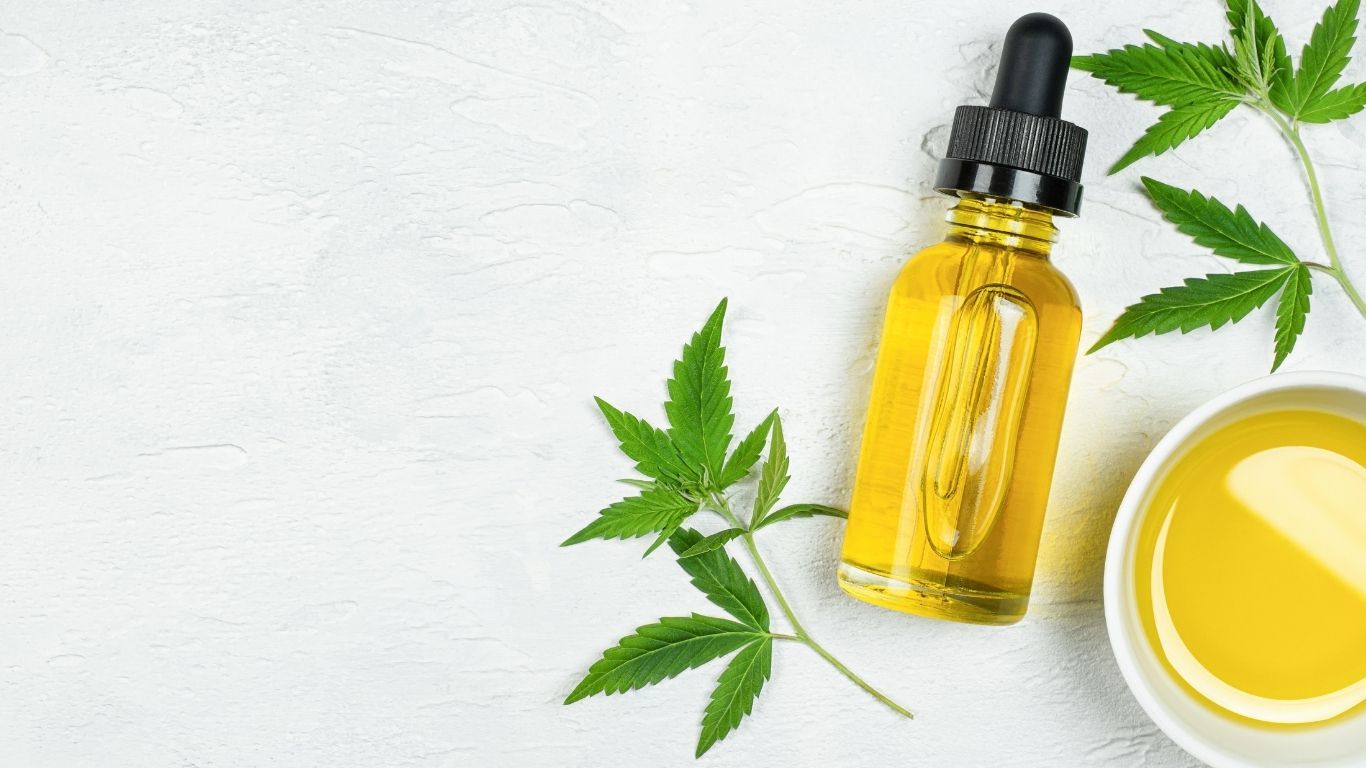
The most famous "fighting" protocol is Rick Simpson Oil (RSO)—a thick, dark, full-spectrum extract. Unlike standard oils, RSO contains the entire profile of the plant, including fats, waxes, and chlorophyll.
The "60 Grams in 90 Days" Model
Anecdotal findings from thousands of patients, and a growing body of case studies, suggest a specific titration model to reach a therapeutic "saturation" point:
- Phase 1 (Weeks 1–3): Start with a dose the size of half a grain of rice, taken three times daily.
- Phase 2 (Weeks 4–12): Gradually double the dose every 4 days until you are consuming 1 gram of oil per day.
- The Goal: By the end of 90 days, the patient has consumed 60 grams total. This high-dose approach is designed to keep cannabinoid receptors saturated 24/7.
Bioavailability Hack: Because cannabinoids are lipophilic (fat-loving), taking RSO or concentrates with a high-fat meal (avocados, coconut oil, or nuts) can increase absorption by up to 300%.
Modes of Ingestion: Beyond the Pipe
For cancer patients, the how is just as important as the what.
- Sublingual Tinctures: Best for rapid absorption and managing acute symptoms like nausea.
- Suppositories: A highly effective, often overlooked method. Rectal administration avoids the "first-pass" metabolism in the liver, allowing for extremely high doses of THC to enter the bloodstream with significantly reduced psychoactive effects.
- Nano-Emulsified Syrups: The 2026 "tech" standard. These water-soluble cannabinoids hit the system in 15–20 minutes, offering the fastest relief for metabolic distress.

Final Considerations
While we wait for large-scale, randomized clinical trials to catch up with the anecdotal and preclinical evidence, the data we have is incredibly promising. Cannabis is proving to be a versatile tool—one that can potentially attack the illness while simultaneously protecting the patient’s quality of life.
The most successful outcomes are typically seen when cannabis is used as an adjuvant therapy alongside a doctor-supervised plan.
This is the "deep dive" phase of the journey. When moving from general wellness to an intensive cancer-fighting protocol, the strategy shifts from "micro-dosing" to "therapeutic saturation."
The goal here is to keep the body’s endocannabinoid receptors active and engaged at all times to maximize the plant’s potential for apoptosis (cell death) and anti-angiogenesis (starving the tumor). Below is a guide to the specific "special forces" of the cannabis plant and how to discuss them with your medical team.
The Terpene-Matching Guide: Strategic Selection
While THC and CBD are the "engine," terpenes are the "steering wheel." Preclinical research has begun to identify which terpenes may be most effective against specific types of malignant cells.
|
Terpene |
Targeted Cancer Types |
Potential Action (Preclinical Data) |
|
Limonene |
Breast, Liver, Prostate |
Research suggests it can reduce Cyclin D1 expression, effectively halting the cell cycle of breast tumor cells. |
|
Alpha-Pinene |
Lung, Skin |
A 2025 study in PubMed showed Pinene can inhibit the Wnt/β-catenin pathway, a major driver in lung cancer progression. |
|
Beta-Caryophyllene |
Colorectal, Breast, Bone |
Acts as a "chemo-sensitizer," potentially making tumors more responsive to drugs like Cisplatin while protecting non-cancerous cells. |
|
Linalool |
Brain, Leukemia |
Shown to bypass the blood-brain barrier effectively and may induce apoptosis in glioblastoma cells. |
|
Humulene |
Pancreatic, Gastric |
Often found in "earthy" strains, it has demonstrated a unique ability to produce reactive oxygen species (ROS) that damage cancer cell DNA. |
High-Effectiveness Ingestion & Dosage Models
For patients looking to fight a systemic illness, smoking or vaping is rarely sufficient because the cannabinoids stay in the system for a very short time. The most documented protocols focus on long-lasting, full-spectrum ingestion.
The RSO (Rick Simpson Oil) Protocol
This is the "heavy artillery" of the cannabis world. Because it is a whole-plant extract, it contains the "dark" components of the plant (waxes, chlorophyll, and minor cannabinoids like CBG) that are often filtered out of clear distillates.
- The Target: Reaching a daily intake of 1,000mg (1 gram) of oil.
- The Science: This concentration is designed to keep the blood plasma levels of cannabinoids high enough to trigger the metabolic stress pathways in cancer cells consistently.
The Suppository Method
It’s not the most glamorous topic, but it is scientifically fascinating. When taken rectally, cannabinoids bypass "first-pass metabolism" in the liver.
- Benefit: Patients can often tolerate 3x to 5x higher doses of THC without the intense psychoactive "head high." This allows the cannabinoids to enter the pelvic and systemic bloodstream directly.
Nano-Emulsified Syrups
These are the "speedboats" of 2026 tech. By breaking cannabinoid molecules down into tiny particles (nanoparticles), these syrups can be absorbed through the lining of the mouth and stomach almost instantly. They are highly effective for patients who need immediate relief from metabolic distress or high-intensity pain.

Talking to Your Oncologist: A Discussion Guide
Your oncologist is the captain of your ship, and cannabis is a powerful wind in your sails. Because cannabis can interact with the CYP450 enzyme system (which processes many chemotherapy drugs), transparency is vital.
High-Value Questions to Bring to Your Next Appointment:
- "How will high-dose CBD or THC interact with my current chemotherapy or immunotherapy drugs (specifically the CYP3A4 pathway)?"
- "Based on my specific tumor markers, do you see any contraindications for using an anti-angiogenic adjuvant like Beta-Caryophyllene?"
- "Can we monitor my liver enzymes (ALT/AST) more frequently once I start the high-dose RSO titration to ensure my body is processing the load safely?"
- "Are there clinical trials available at this facility that allow for the inclusion of adjunct cannabinoid therapy?"
- "If I experience a significant reduction in inflammation or tumor size, how will we adjust my standard of care dosages?"
Confidential Tip: If your oncologist is skeptical, you can provide them with the NCI (National Cancer Institute) summary on Cannabis and Cannabinoids, which acknowledges the "antitumor activity" seen in laboratory and animal studies.
This is where you move from "trying stuff out" to becoming a full-blown Bio-Hacker. Since everyone’s endocannabinoid system is as unique as a thumbprint, data is your best friend. This log is designed to help you spot patterns—like which terpene makes you feel like a superhero and which one makes you want to nap through your favorite show.
🧪 Pro-Tips for Your Lab Report:
- The "Fat" Factor: In your notes, mention if you took your dose on an empty stomach or with a healthy fat (like coconut oil or peanut butter). This significantly changes bioavailability!
- The 2-Hour Rule: For edibles and RSO, don't rate your "Symptom Relief" until at least 2 hours have passed. 11-Hydroxy-THC likes to take its sweet time to arrive at the party.
- Terpene Tally: If you notice that every time Linalool is high on the COA you sleep like a baby, highlight that! That’s your body telling you it loves that specific chemical profile.
- The Batch ID is Key: Growers change, and seasons change. If you find a batch that works, the Batch ID on the COA will help you find that exact same "recipe" again. (note: not all COAs are created equal, particularly with THCa, so it can be harder to locate batch IDs)
Why This Matters for Your Next Appointment
When you walk into your oncologist’s office with a completed log, you aren't just a patient; you’re a collaborator. Instead of saying "I feel better," you can say:
"I've noticed a 40% increase in daytime energy when using a Limonene-dominant profile, and my neuropathic pain drops from an 8 to a 3 when I combine it with a 1:1 CBD ratio."
Powered by Lightspeed
Display prices in:USD