Using a Rolling Machine
The Magic Plastic Box: Master the Rolling Machine and Retire Your "Lumpy Socks"
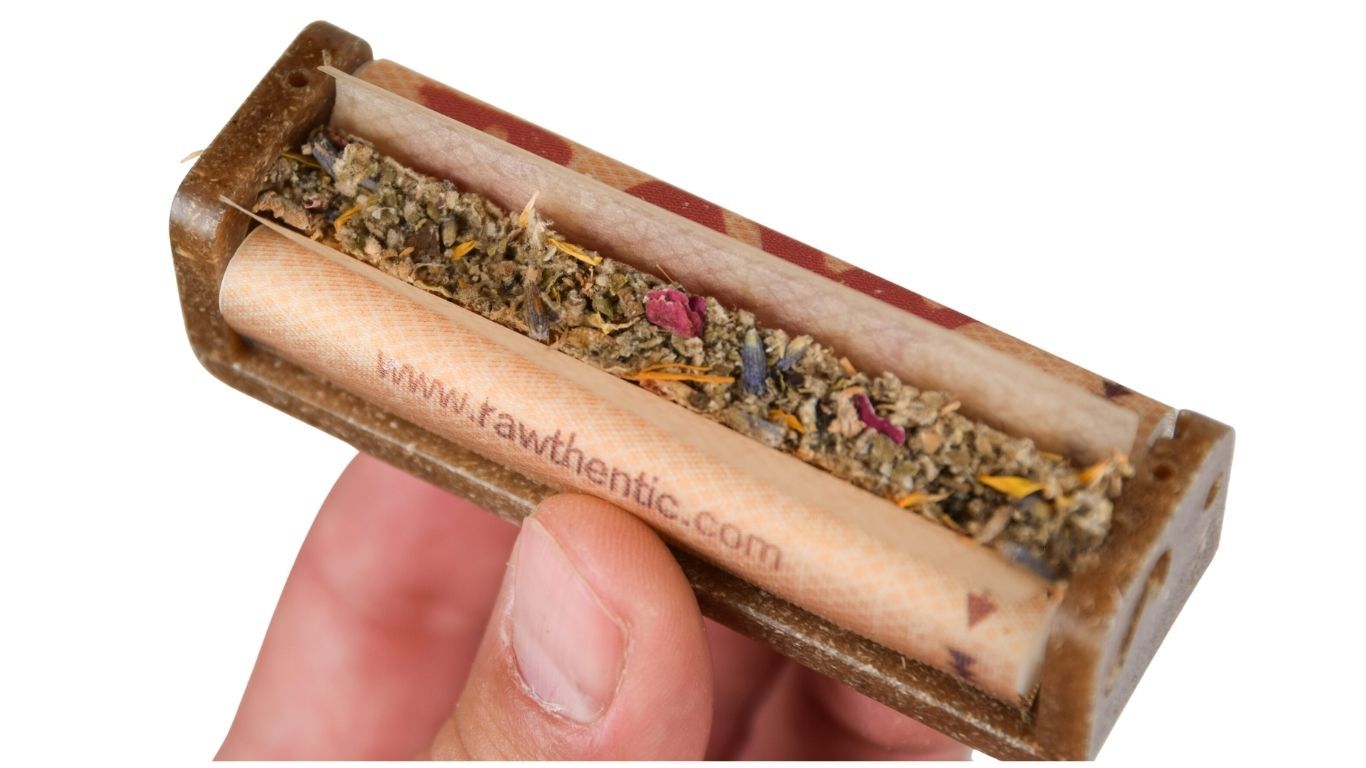
Let’s be honest: hand-rolling a joint is a beautiful, traditional art form. It’s also incredibly frustrating when your fingers feel like ten oversized sausages and your finished product looks less like a "smoke" and more like a "pregnant guppy."
If you’ve ever felt the "shame" of reaching for a rolling machine, let’s banish that right now. In the year 2026, we embrace efficiency! A rolling machine is essentially a cheat code for a perfect, museum-quality joint every single time. It’s fast, it’s consistent, and it removes the fear of your hard-earned flower falling out both ends.
Grab your machine, your favorite THCa flower, and let’s get rolling.
Anatomy of the "Magic Box"
Most rolling machines are made of two plastic rollers and a flexible "apron" (the belt).
- The Move: One of the rollers usually slides up and down or clicks into place.
- The Goal: You want to start with the rollers in the open position (usually clicked down or slid apart) so there is a nice little valley in the belt for your flower to sit in.
Step-by-Step: The Path to Perfection
Step 1: The Load (Don't Forget the Tip!)
Place your crutch or filter tip at one end of the machine. Then, sprinkle your ground flower into the rest of the "valley."
The Golden Rule: Do not overpack it! If you jam too much weed in there, you’ll create a "pencil of death"—a joint so tight that no air can get through. You want it full, but "springy."
Step 2: The Pre-Roll (The "Shape Up")
Close the rollers (click them back together). Now, using your thumbs, rotate the front roller downward/toward you and the back roller upward/away from you. Do this for about two full rotations.
- What’s happening? This is compressing the flower into a perfect cylinder. It’s the "sculpting" phase.
Step 3: Insert the Paper
Take your rolling paper and hold it so the glue strip is at the top and facing you. Slide the bottom (non-glue) edge into the little slit between the closed rollers.
Step 4: The Feed
Start rotating the rollers toward you again. The machine will "grab" the paper and start to eat it like a hungry little monster.
- Stop! When only the glue strip is sticking out of the top, stop spinning.
Step 5: The Lick and Finish
Give that glue strip a gentle lick (don't soak it, we aren't making soup!). Give the rollers one or two more full spins to pull the glue inside and seal the deal.
Step 6: The Big Reveal
Open the rollers, and voila! A perfectly straight, perfectly even joint should pop out like a prize from a vending machine.
3. Best Practices & Pro-Tips
- The "Spin Direction" Secret: Always spin the rollers toward your body with your thumbs. It’s the most natural motion and ensures the paper tucks correctly.
- Clean the Belt: If your machine gets "sticky," it will start to wrinkle your papers. Wipe the apron down with a tiny bit of isopropyl alcohol every now and then to keep it smooth.
- The "Tap" Test: Once your joint is out, tap the filter end on a table a few times to settle the flower, then twist the top. This ensures an even burn.
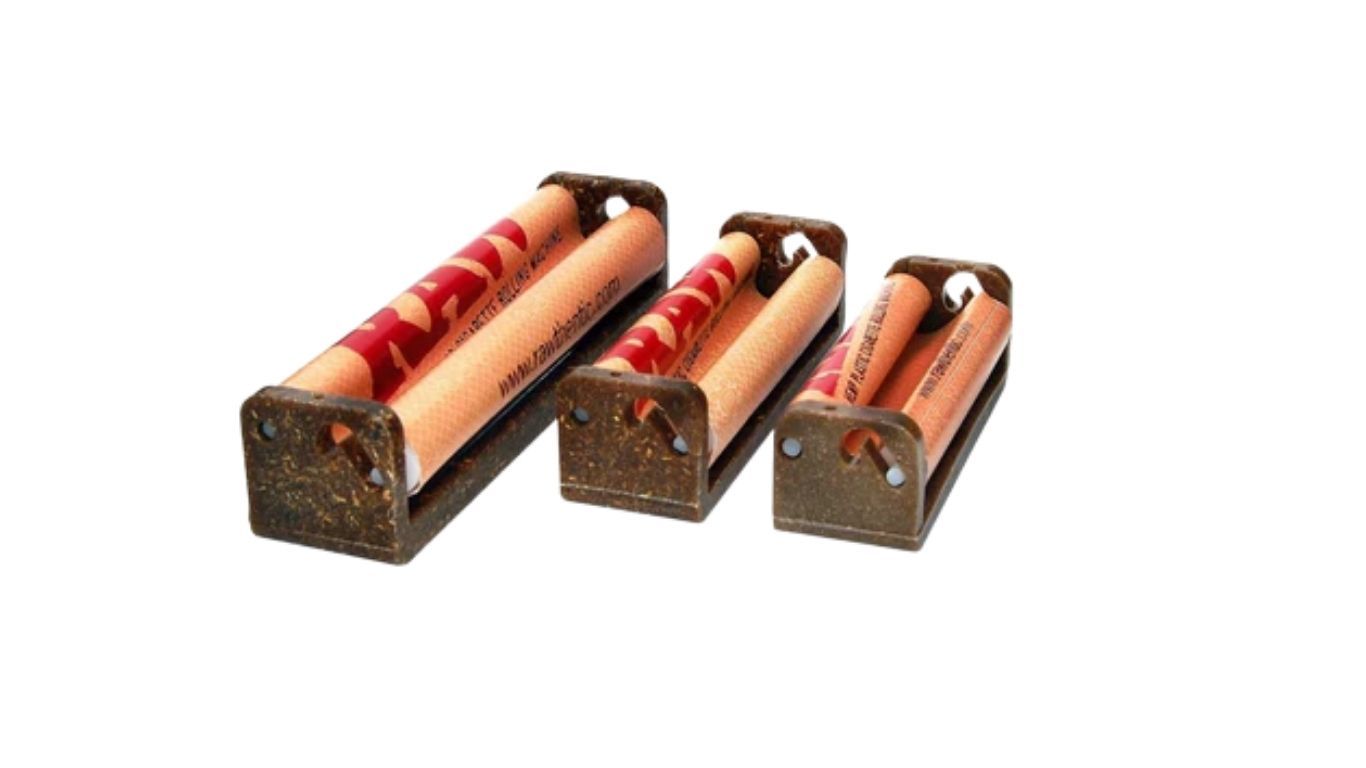
- Paper Size Matters: Make sure you’re using the right size paper for your machine. If you have a 79mm machine, use 1 1/4 papers. If you have a 110mm machine, you’re in King Size territory!
Why Machine-Rolled is Actually Better (The Science Bit)
When you hand-roll, it’s easy to get "hot spots" where the weed is packed tighter in some places than others. This leads to side-burning or canoeing. Because a machine applies even pressure across the entire length of the joint, it creates a uniform surface area. This means a smoother, slower, and more efficient burn—saving you money and your throat!
How to Use a Rolling Machine: A Beginner’s Guide to the Perfect Roll
Using a rolling machine is the best way to ensure consistency, save time, and eliminate waste. Whether you are a beginner or just looking to perfect your technique, this step-by-step guide will help you achieve professional results every time.
What You’ll Need
Before starting, ensure you have your rolling machine, your choice of filler, and the correct size rolling papers (usually 70mm or 79mm, depending on your machine size).
Step 1: Prepare and Load the Machine
Open the rolling machine by sliding the rollers up and apart (or flipping the lever, depending on your model). Distribute your material evenly between the two rollers.
- Pro Tip: Do not overpack! Leave a little space at the ends to ensure the rollers can move freely.
Step 2: The Initial Roll
Close the rollers together. Using your thumbs, rotate the front roller downward and the back roller upward simultaneously. Do this for 2–3 full rotations. This compresses the material into a uniform cylinder shape.
Step 3: Insert the Rolling Paper
Take a single rolling paper with the adhesive (glue) strip facing you and at the top. Insert the bottom edge of the paper into the small gap between the closed rollers.
Step 4: Feed the Paper
Slowly rotate the front roller downward again. The machine will "grab" the paper and pull it into the cylinder. Stop rotating when only the adhesive strip is sticking out.
Step 5: Seal and Finish
Lightly moisten the adhesive strip. Complete the rotation by turning the rollers one or two more times to seal the edge. Open the rollers, and your perfectly rolled result will be ready to go!
Why use a machine? It's not just about speed; it's about density. A machine-rolled cigarette burns more evenly and prevents "canoeing," ensuring you get the most out of your materials.
Powered by Lightspeed
Display prices in:USD