Waterpipe Cleaning Points
The "Bong Breath" Exorcism: A Guide to Keeping Your Glass Sparkly and Your Lungs Happy
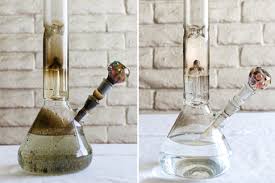
Let’s be real for a second: we’ve all been there. You look at your water pipe and realize it no longer looks like a pristine piece of functional art. Instead, it looks like a "science experiment gone wrong" from a 1950s horror movie. There’s a mysterious ring around the water line, the downstem is a shade of brown not found in nature, and the smell? Let’s just say it’s not exactly "mountain spring fresh."
Cleaning your glass is the ultimate "Future You" favor. Not only does it make your flower taste like actual flower again, but it also prevents you from inhaling a literal biofilm of bacteria and mold. Ready to turn that swamp monster back into a masterpiece? Let’s dive in!
The Science of the "Gunk"
Why does cannabis resin stick like it’s been applied with industrial-grade epoxy? Cannabis compounds are lipophilic (fat-loving) and hydrophobic (water-fearing). When hot smoke hits cold water, the heavy oils and tars condense and cling to the glass.
If you leave that water sitting for more than 24 hours, you’re inviting a biofilm—a thin, slimy layer of bacteria and fungi—to move in. In 2026, we know that inhaling "pond water" vapor isn't just gross; it’s a great way to invite a respiratory infection to the party.
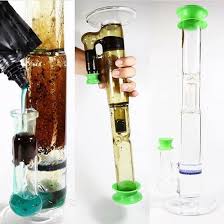
The Great Cleaner Debate: DIY vs. The Pros
There are two main ways to tackle the grime. Here’s the breakdown of your cleaning arsenal:
Method A: The "Ol' Reliable" (Isopropyl Alcohol & Salt)
This is the classic DIY method. You use 99% Isopropyl Alcohol (ISO) and coarse Epsom or sea salt.
- The Science: The ISO acts as a solvent, breaking the chemical bonds of the resin. The salt doesn't dissolve in alcohol, so it acts as a physical abrasive (like a liquid scrub brush) to knock the gunk off the walls.
- Pros: Extremely cheap, incredibly effective, and you probably have the ingredients in your cabinet.
- Cons: It smells like a doctor’s office, and it can be harsh on your skin and silicone seals.
Method B: The Modern Marvels (Specialized Cleaners)
In 2026, we have some amazing "soak and rinse" formulas (like Formula 420 or modern enzymatic cleaners).
- The Science: These often use specialized surfactants or enzymes that "digest" the molecular structure of the resin without needing as much shaking.
- Pros: Often faster, usually smell like citrus or "fresh rain," and many are biodegradable and reusable!
- Cons: Higher price point than a bottle of rubbing alcohol.
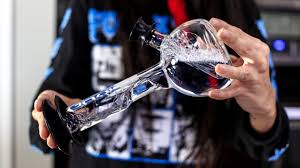
The Professional Tool Kit: Brushes, Plugs, and Caps
If you’re still trying to clean your bong by covering the holes with your palms and doing a weird "clog-dancing" shake, please stop. You’re one slippery thumb away from a disaster.
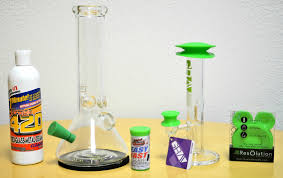
- Cleaning Plugs & Caps: These are silicone stoppers that seal the mouthpiece and the joint. They turn your bong into a sealed cocktail shaker so you can be as vigorous as you want without the "Resin Rain" hitting your carpet.
- Flexible Bottle Brushes: For those weird percolators or long necks, a set of flexible brushes is a game-changer. They can reach around corners that physics usually forbids.
- Magnetic Scrubbers: These are tiny magnets encased in scrubby material. You drop one inside, use a magnet on the outside to move it around, and scrub away that "water line" ring without even getting your hands wet!
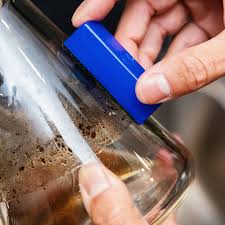
4. The Maintenance "Cheat Sheet"
If you hate deep-cleaning, the secret is prevention. Here’s how to keep that glass looking "showroom fresh" for weeks:
- The Daily Dump: Change your water every single day. No exceptions. This prevents the "biofilm" from ever taking root.
- Distilled Water: If you have "Hard Water" (high mineral content), it will leave white, cloudy stains on your glass. Use distilled water to keep it crystal clear.
- Cranberry Extract (The Secret Weapon): A drop of organic cranberry extract in your bong water changes the surface tension and prevents resin from sticking to the glass walls. It’s like "Teflon" for your pipe!
- Get an Ashcatcher: This little guy catches 90% of the mess before it ever enters your main piece.
- The Warm Rinse: After every session, give your piece a 30-second rinse with hot water (around 50°C). It keeps the resin soft so it doesn't harden into "glass-concrete."
The Final Verdict
A clean bong is a happy bong. You’ll cough less, taste more of those delicious terpenes, and your friends won't look at your glass with an expression of pure horror.
Powered by Lightspeed
Display prices in:USD