Why Edibles Are Different
The Mystery of the Magic Brownie: Why Edibles Are a Totally Different Beast
We’ve all heard the story—or lived it. You eat a gummy, wait forty-five minutes, declare, “These edibles ain't doing nothing,” and proceed to eat three more. Two hours later, you’re not just "relaxed"; you’re currently re-evaluating your relationship with gravity while trying to remember if you’ve always had elbows.
If you’ve ever wondered why smoking a joint feels like a light breeze while an edible feels like a tectonic shift, you aren't crazy. It’s not just in your head—it’s in your liver.
Welcome to the science of why your digestive tract is basically a high-tech chemistry lab.
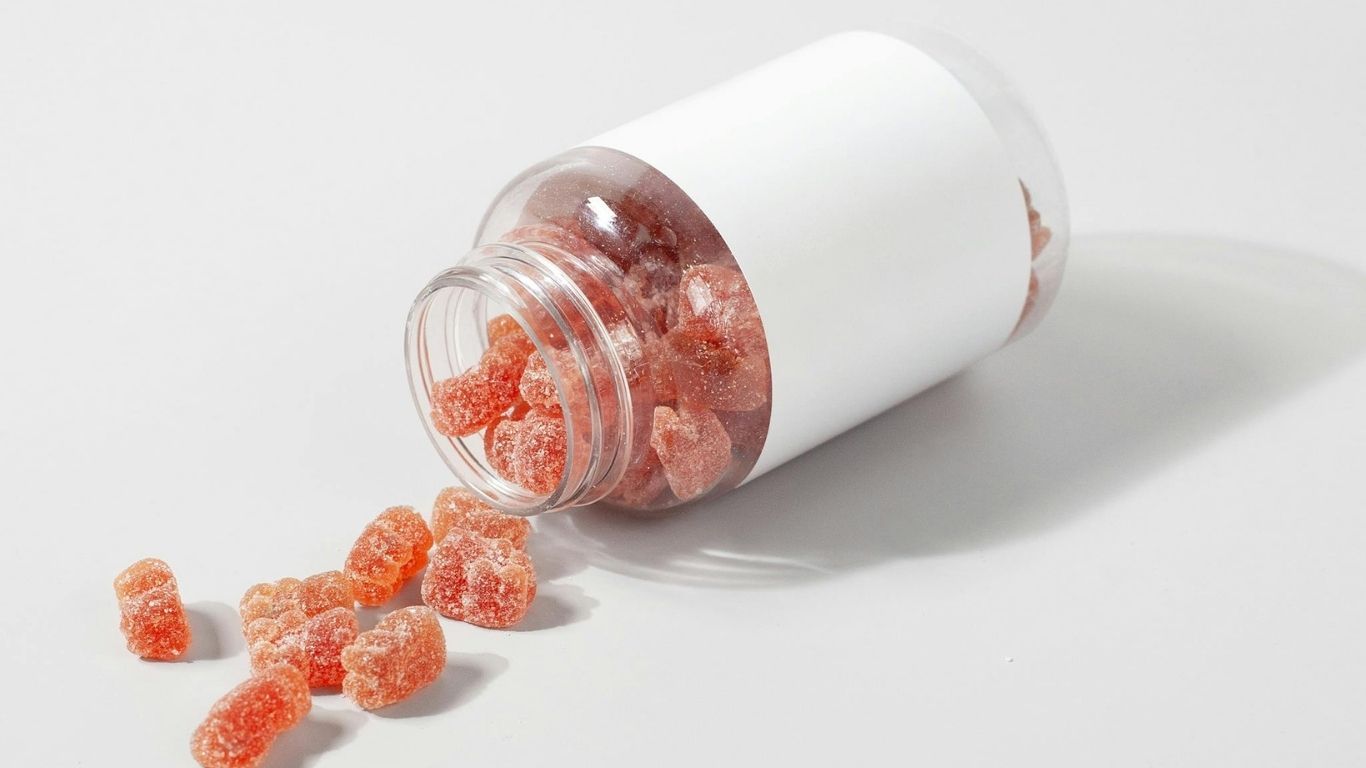
The Express Train vs. The Scenic Route
When you smoke or vape, the THC takes the VIP express lane. It goes into your lungs, passes through the thin walls of your alveoli, and enters your bloodstream immediately. It hits your brain in seconds. You’re up, you’re there, and you usually peak within 30 minutes.
Edibles, on the other hand, are the "scenic route" travelers. They have to survive your stomach acid, hang out in your small intestine, and eventually get absorbed into the portal vein. This takes time—anywhere from 30 minutes to two hours depending on if you just ate a giant burrito or an empty salad.
Meet 11-Hydroxy-THC: The Hulk of Cannabinoids
This is the scientific "Aha!" moment. When you inhale cannabis, you’re mostly dealing with Delta-9-THC. It’s the classic version we all know and love.
However, when you eat cannabis, the THC has to pass through your liver before it reaches your brain. This is called first-pass metabolism. Your liver looks at that Delta-9-THC and says, "Let’s spice this up," converting it into 11-hydroxy-THC.
The Science Scoop: 11-hydroxy-THC is significantly more potent than Delta-9. It’s also more "lipophilic," meaning it crosses the blood-brain barrier much more easily. If Delta-9-THC is Bruce Banner, 11-hydroxy-THC is the Incredible Hulk. It hits harder, lasts longer, and is much more psychoactive.

The "Forever" Factor (Duration)
Have you noticed that a smoke session wears off in a couple of hours, but an edible seems to stay with you until the next lunar eclipse?
Because the liver processes the THC slowly and releases that potent 11-hydroxy version into your system over time, the "high" is sustained. While inhaled THC levels in the blood drop quickly, ingested THC provides a steady, long-term release.
- Smoking: 1–3 hours.
- Edibles: 4–12 hours (and sometimes a very "groggy" morning-after).
Why the "Body High" is So Intense
Edibles are famous for that "heavy limbs" feeling. This is because once that 11-hydroxy-THC is in your blood, it’s distributed very evenly throughout your body’s fat tissues. Since you have cannabinoid receptors (CB1 and CB2) all over your body—not just in your brain—the edible provides a full-body experience that smoking often misses.

Pro-Tips for the Edible Explorer
- Don't be a "Redose Robin": Wait at least two full hours before deciding you need more. The liver works on its own schedule, not yours!
- Eat a little fat: THC is fat-soluble. If you eat your edible with a piece of cheese or some peanut butter, it helps the absorption process.
- Respect the 11-Hydroxy: Remember that 5mg in an edible is not the same as a 5mg hit from a vape. Treat it with the respect the "Hulk" deserves.

Powered by Lightspeed
Display prices in:USD